Click on the image for a larger, hi-res version (on
Flickr).
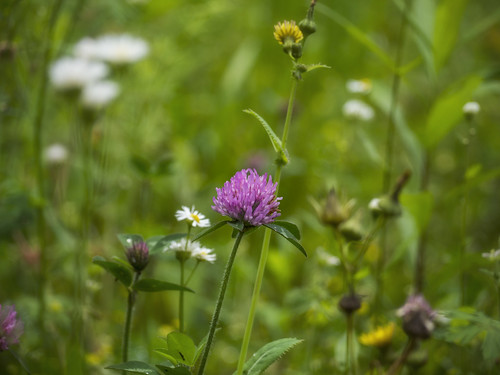
A wild bigleaf hydrangea shrub (Hydrangea macrophylla), illuminated by riparian morning light.
On Glenn Creek in Melton Park
DeKalb County, Georgia, USA.
23 May 2025.
Hydrangea macrophylla — commonly known as bigleaf hydrangea — is a species of flowering plant in the family Hydrangeaceae, native to Japan, that has become naturalised in the Americas. It is is a deciduous shrub growing to 10 feet tall (3 m) with large heads of pink or blue flowers in summer and autumn. The opposite, serrated leaves can grow to 6 inches (15 cm) in length.— Wikipedia.
***************